- 15 November 26
Tracking & Anti-Detect Infrastructure: Multilogin Updates Mimic Browser Core to v156, Prompting Fingerprint Consistency Validation Across Media Buying Operations
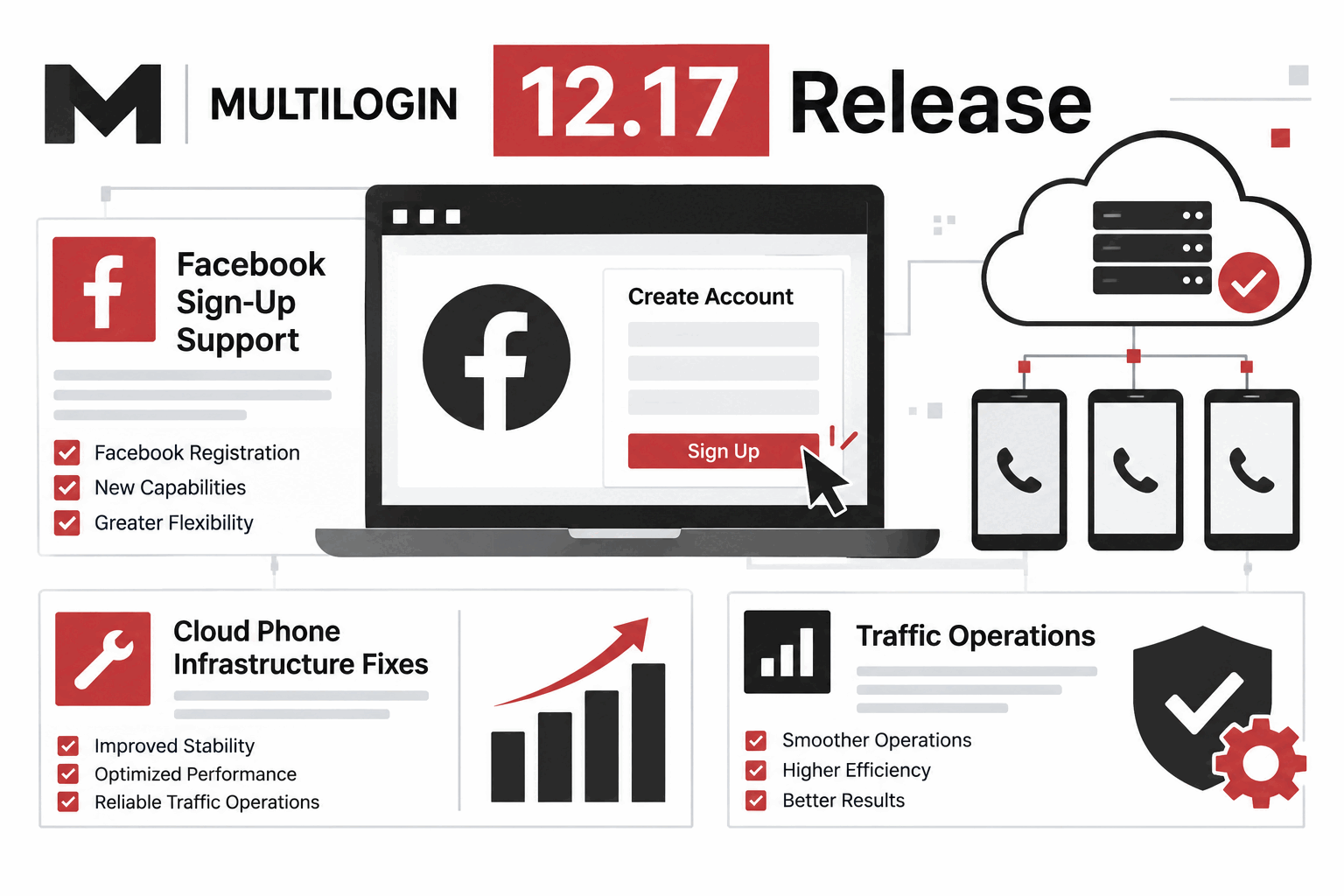
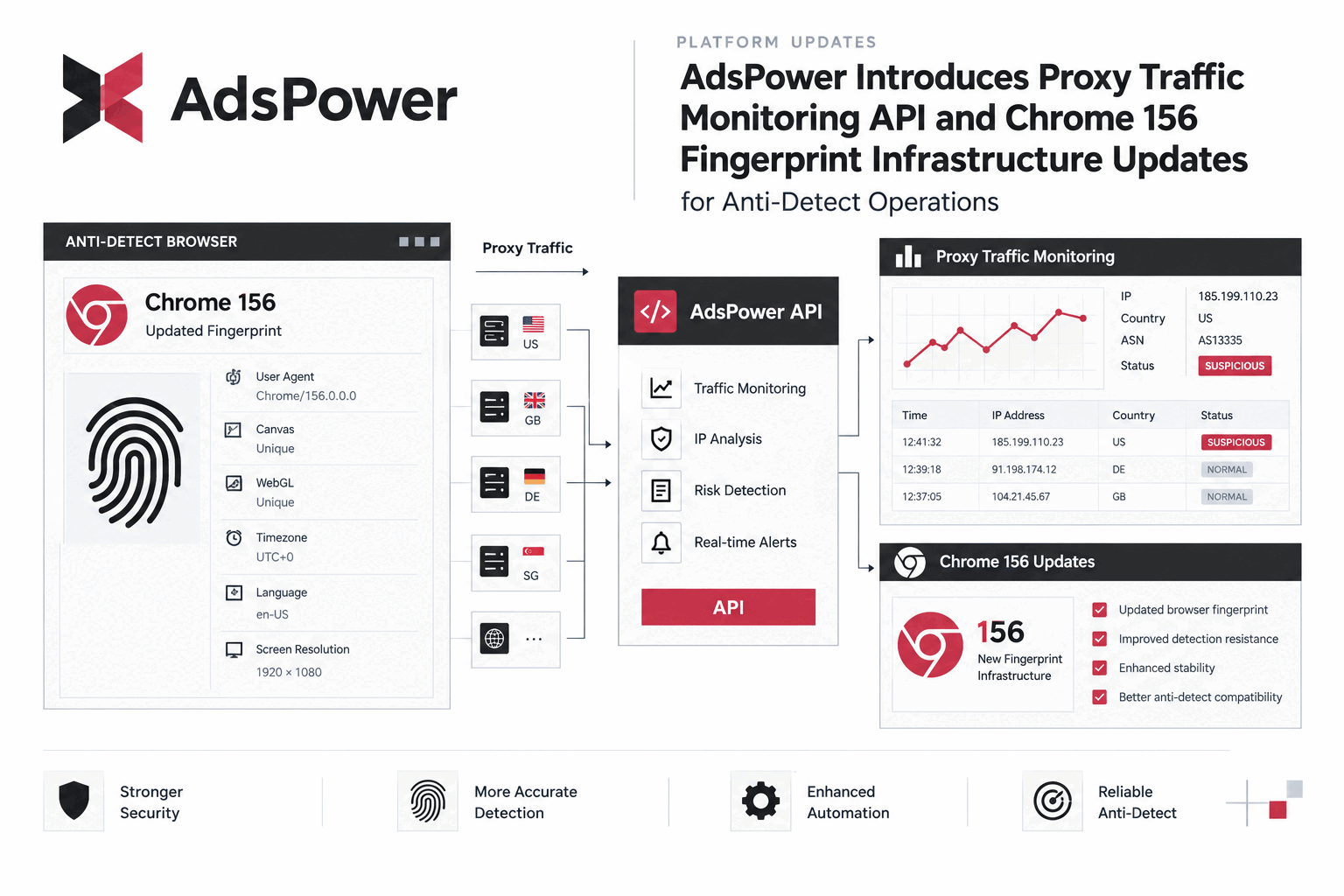
One of the most operationally relevant tracking and anti-detect developments observed during the latest monitoring cycle is the rollout of the Mimic browser core v156 inside Multilogin. The update is being automatically distributed during profile launches and directly affects the browser environment used by media buyers, affiliate teams, account farmers, ad operations specialists, and automation workflows.
According to the vendor's release notes, the browser core update does not introduce publicly documented changes to fingerprinting logic, detection resistance, or profile architecture. However, any browser core migration remains a notable event for anti-detect infrastructure because browser version shifts frequently influence JavaScript execution patterns, Web API behavior, rendering signatures, security policies, and site-side risk scoring systems. The root cause of any potential delivery-side anomalies remains undisclosed and unconfirmed at this stage. Source: [https://multilogin.com/release-notes/]
Technical Manifestations
Community discussions across affiliate and anti-detect-focused channels indicate that operators initiated post-update validation procedures immediately after the release became visible inside production environments. Reported verification activity focused on browser fingerprint consistency, account trust retention, session persistence, login stability, and advertising account accessibility.
- — Validation of established advertising accounts after forced browser-core migration.
- — Comparison of fingerprint outputs before and after automatic profile launches.
- — Monitoring of unusual security challenges, re-authentication requests, or device verification prompts.
- — Verification of automation scripts relying on browser-specific behaviors.
- — Testing of warmed profiles attached to high-value ad accounts.
No widespread platform-level outage, mass account suspension event, or confirmed delivery disruption linked directly to the update was identified during the review period. Nevertheless, operational teams continue observation because browser-core transitions historically represent one of the most sensitive points in anti-detect environments.
Operational Impact for Traffic Teams
The primary practical implication is not the release itself but the deployment model. Since the Mimic core update is applied automatically during profile launches, operators may encounter mixed environments across teams depending on profile activity schedules. Such synchronization gaps can complicate debugging when campaign performance changes coincide with browser updates.
For media buying infrastructure, the recommended operational focus has shifted toward environment auditing rather than feature adoption. Teams managing large account pools are prioritizing controlled launches, fingerprint comparison procedures, proxy-health verification, and staged profile testing before scaling budget allocation.
The update arrives at a time when detection systems increasingly rely on browser-level telemetry correlations rather than isolated fingerprint parameters. Consequently, even maintenance-oriented browser-core revisions attract attention from affiliate and arbitrage operators due to their potential downstream impact on account longevity and moderation behavior.
Market Signals
Current signals suggest a precautionary response rather than an incident response. Monitoring across media-buying communities, anti-detect user groups, and operational forums shows increased validation activity rather than reports of confirmed failures. As of publication, there is no verified evidence connecting the v156 rollout to systemic advertising delivery issues, account bans, or moderation changes.
Sources: [https://multilogin.com/release-notes/] [https://multilogin.com/ru-ru/release-notes/]
Latest Blog